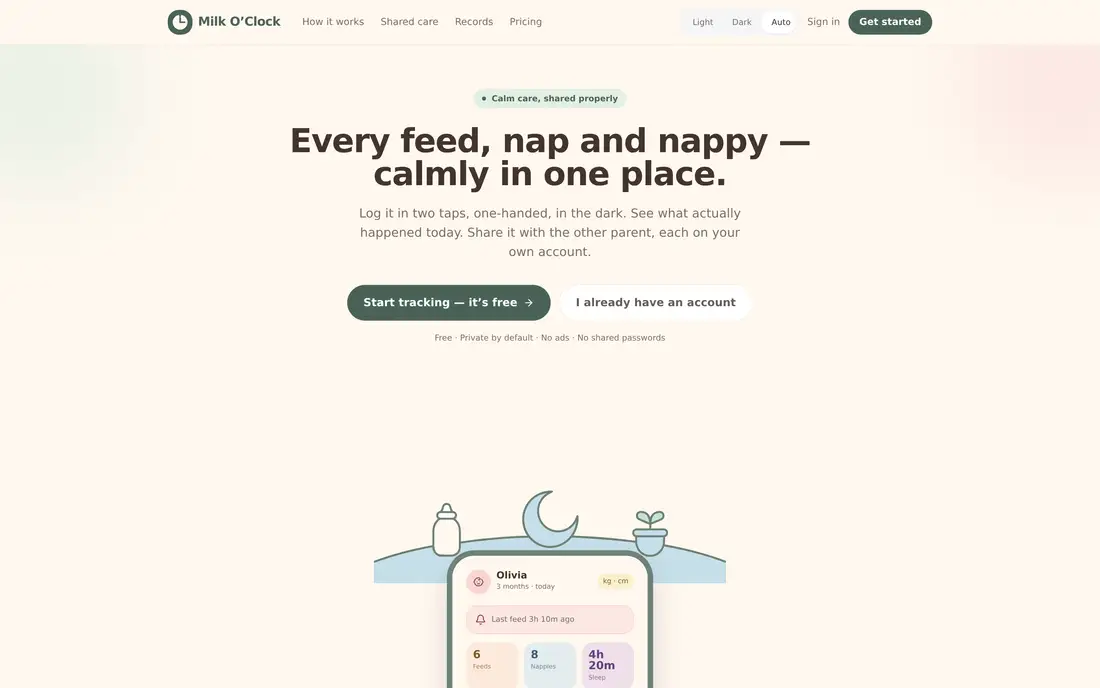
Bubs Daily
The calm baby tracker — two taps, one-handed, in the dark, shared properly between both parents.
15 entities
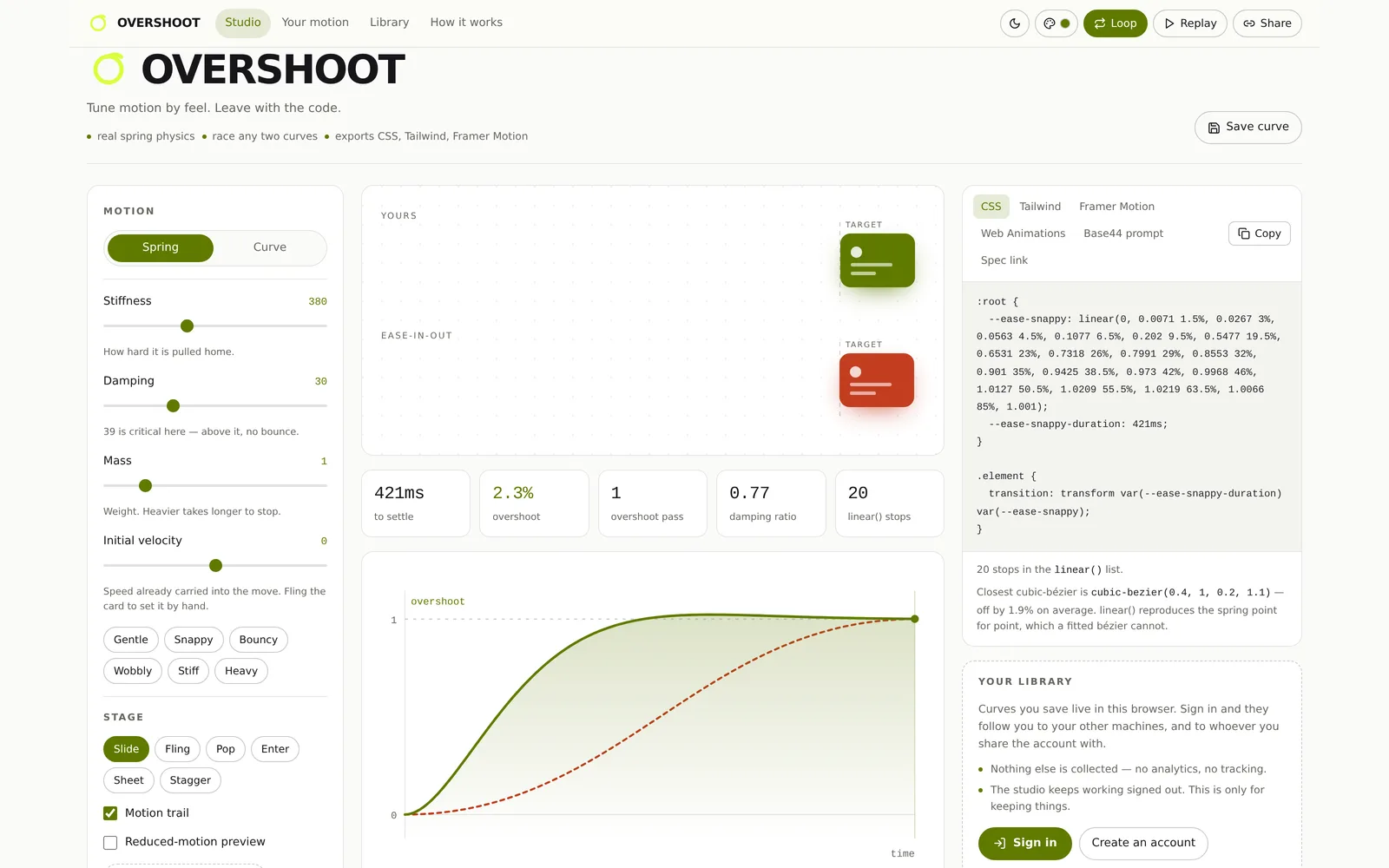
A motion lab for designers — tune the spring by feel, race it against any curve, leave with the CSS.
Open the live app Built on Base44 — start your own, opens in a new tabBase44 links on this page are affiliate links. If you sign up through one, Dean may earn a commission at no extra cost to you.Figma can draw a bézier. Nothing lets you feel a spring, so UI motion gets handed to a developer as "make it bouncier" and they guess a cubic-bezier. Overshoot solves the damped harmonic oscillator live: drag stiffness, damping, mass and initial velocity until the card moves the way you mean, race your curve against ease-in-out on identical elements with the same start gun, then copy the CSS, Tailwind, Framer Motion, Web Animations or design tokens. Springs export as linear(), because a cubic-bézier passes its target once at most and cannot oscillate — every tool that hands you a bézier is quietly rounding your spring off. Built on the mandatory template for the Base44 Redesign Rumble, where it placed third. No account, no backend, nothing uploaded.
Built
2026-09-18
How it gets made
Every build on this site comes out of the same structure, whether it is a game, a ledger or a suite of tools. The method is published in full, and so are the prompts I am allowed to publish.
Read the method
Coffee and a problem
The calm baby tracker — two taps, one-handed, in the dark, shared properly between both parents.
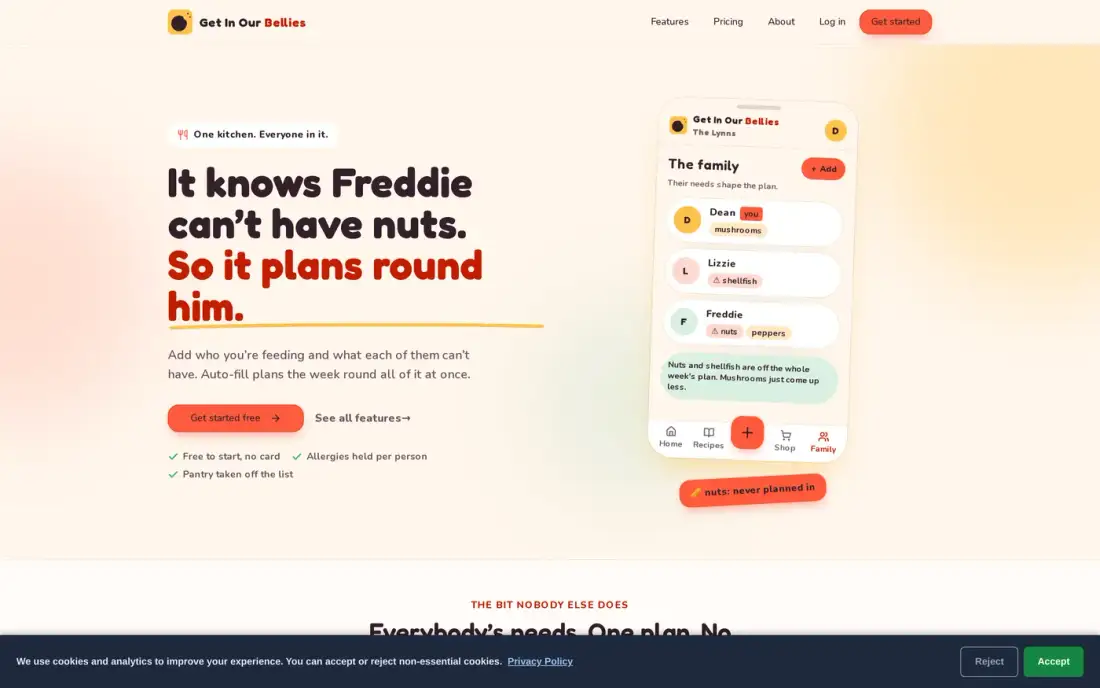
A family meal planner that plans round the people, not the recipes.
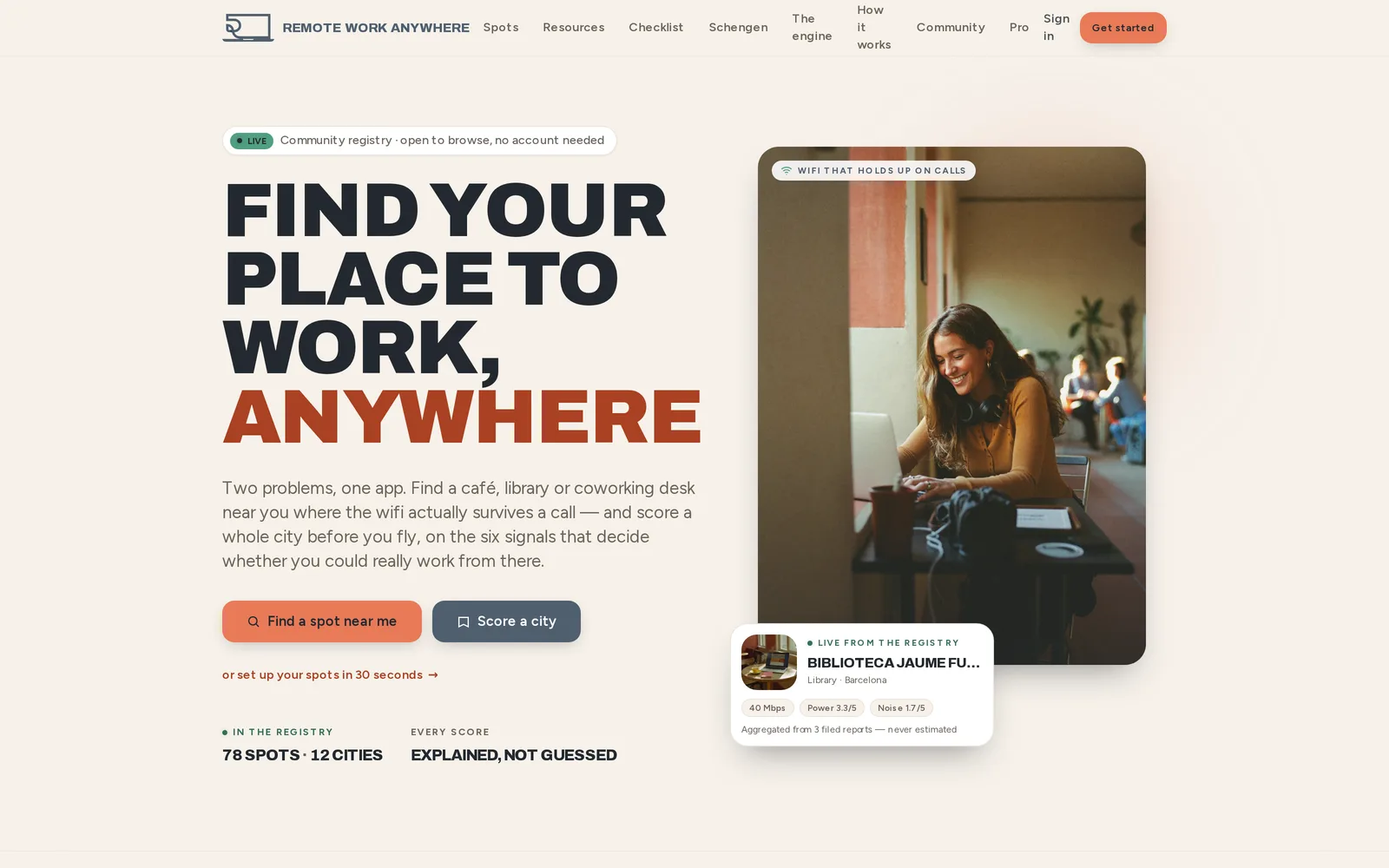
A 0–100 Work-From-Here score built only from filed field reports — never scraped, never estimated.
The Vault
Anyone can describe an app to an AI and get something back. The difference is in the structure — and the structure is what's written down in here.
Every build prompt on this page
Full text, not summaries. Copy and run.
313 production Claude skills
Installed, organised, documented.
The scaffold and the method
How the prompts are structured, so you can write your own.
Cancel any time. Or read the free prompts first — they're the same standard as the paid ones, which is rather the point.
The site keeps essential storage so it works, and the site and its hosting platform count visits anonymously, with no cookie. Accept and Google Analytics, which sets cookies, counts visits too. Decline and neither the site’s own count nor Google Analytics runs. Nothing creepy. You choose.