Fractional Chief AI Officer · owner-led businesses and boards
The AI seat on your board,
held by someone who runs the systems.
I run 72 agents in production across my own ventures. I know the number because I own every one of them.
What I do
- I build the systems, then write the standard for the systems I built.
- The job I am offering is the one I already do, part-time, for your business.
What most do
- Most fractional AI officers advise.

The operator record
Nothing below is a client outcome. None are published, so none are quoted. These are things I have done, most of them while running many ventures at once.
20+
years building and running businesses
4+
acquisitions
1,000+
organisations worked with
850+
domains under management
72 agents
OpenClaw fleet running 24/7
80+
web apps shipped
375+
Base44 apps shipped
The shape of it
A session, a day, or the seat.
The diagnostic
Sixty minutes inside the real systems, recorded. A written note of what works and what is fake within one working day.
The build day
One working day in your environment. The first agent goes into production on your own accounts before I leave.
The fractional seat
Monthly, three months minimum. The standard kept current, the governance page every month, agents built as the business needs them.
Prices and what each one includes are further down the page.
Who this is for
Three kinds of business.
An owner-led business whose board has started asking about AI, with nobody in the room who can answer.
A leadership team that has bought three tools, run two pilots and put nothing into production.
A chair or investor who wants a written standard for how the company uses AI, with a named person accountable for it.
Who it is not for
Not a fit if you are.
Wanting a strategy deck to show the board. I do not hand over slides without a system running behind them.
Looking for a full-time hire. The seat is part-time by design, two days a week at most.
Expecting legal opinion on the EU AI Act or UK GDPR. I write the operating standard and name who owns each rule. Your lawyer signs it.
Not going to let me into the real systems. If I cannot see the CRM, the inbox and the invoices, I cannot do the job.
The first 90 days
Four things you can point at.
Most fractional AI offers end their first quarter with a roadmap and a pilot. Mine ends with these.
An assessment of the real systems
Not a maturity survey. I sit in the CRM, the inbox, the finance stack and the spreadsheets that actually run the place. You get a written account of where AI already is, including the tools staff pay for on their own cards, and where it is not.
A written AI operating standard
One document. What we use AI for, what we do not, which data never leaves the building, which rules apply to us and who owns each one. Short enough that people read it.
The first three agents in production
Three, not thirty. Each one does a job somebody on the payroll does today, runs on your own accounts, and has a named owner. If one is not earning its keep by day 90, it is switched off.
A governance page the board can read
One page, updated monthly. Spend, what is running, what went wrong, who fixed it. No appendix.
The innovation part of the title
That is the third item. New products and new revenue lines come from the same agents once the first three are stable. I have shipped 80+ web apps and 375+ Base44 apps that way inside my own companies. Governance first, then the new things, in that order.
How it runs
From the form to the monthly page.
You can stop after any step. Most of the value of the first two is that they tell you whether to buy the third.
- 1
You send the form
One form, and a line about what you have already tried. I tell you which of the three fits, or that none of them does.
Reply within one working day
- 2
The diagnostic
One session live in your CRM, your inbox and your tooling. You get a written note of what is already working and what is fake. If the seat is not worth buying, the note says so.
60 minutes, recorded
- 3
The build day
The first agent goes into production before I leave. Your accounts, your data, a named owner on your side, and a runbook the team can follow once I have gone.
One working day in your environment
- 4
The seat opens
Weekly time with the leadership team, two days a week at most. The assessment, the written standard and the first three agents land inside the first 90 days.
Monthly, minimum three months
- 5
Then it is a monthly rhythm
The standard stays current. The governance page goes to the board with the spend, what is running and what went wrong. An agent not earning its keep is switched off rather than defended.
Every month, one page
Rooms, not slide decks.
The seat is the same work I already do across my own ventures, held inside one business instead of spread across a room of them.
These are my own rooms and my own events. None of them is a client outcome, because none are published, so none are quoted. They are here because the argument above is about a person doing the job rather than advising on it, and a page with no pictures cannot show you that.
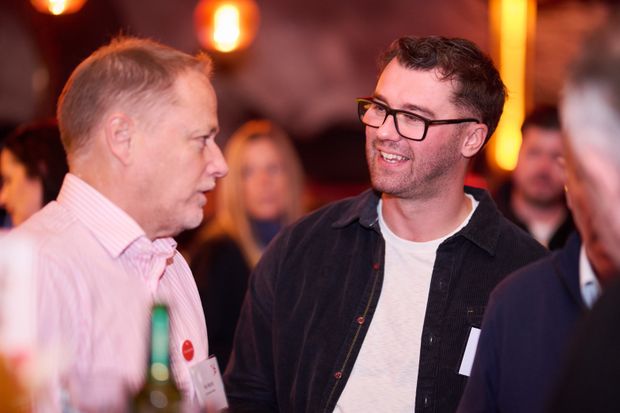
Founders, private room
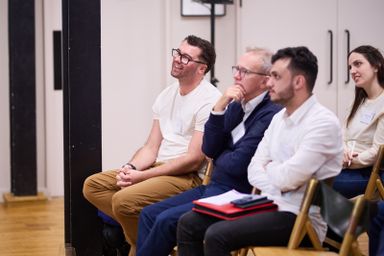
Founders and investors
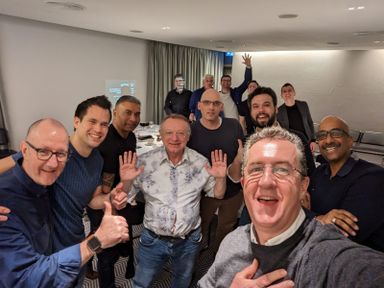
AI dinner, London

Working it through
Three ways in
A session, a day, or the seat.
All three are fixed price. A board can buy the first two without the third.
The diagnostic
Power Hour
One session in the real systems. You leave with a written note of what is already working, what is fake, and whether the seat is worth buying. If it is not, I say so.
- →Live in your CRM, inbox and tooling, not a slide
- →Written note within one working day
- →Refunded or credited to a build day if it does not go deep enough
The build day
Dedicated Day
The first agent goes into production before I leave. Your accounts, your data, a named owner on your side.
- →Scoping call before the day
- →One agent live on your own infrastructure
- →A runbook the team can follow after I have gone
The fractional seat
Enterprise Retainer
The Chief AI Officer role, held. Weekly time with the leadership team, the standard kept current, the governance page every month, agents built as the business needs them.
- →Two days a week at most
- →Monthly governance page for the board
- →The first 90 days as set out above
The prices above are the ones you are charged. I read them from the same record checkout uses, so this page cannot drift from the bill. Travel for on-site days is at cost.
What I will not do
Three refusals, in writing.
Written down so you can hold me to them.
No slide decks without a running system
If the deck describes an agent, the agent exists and you can log into it. If it does not exist yet, there is no deck.
No vendor kickbacks
I take no commission, referral fee or reseller margin from any tool I recommend. If the right answer is a free tier, that is the answer.
No hours billed without a result
The diagnostic ends with a written note. The build day ends with a system in production. Every month of the seat ends with the governance page and the agents it lists. A month without either is not invoiced.
That is the whole list.
Unsolicited
What people write back.
Two notes, quoted as sent. Neither man is a client and neither was asked for a quote. They used something I published and wrote to tell me what came of it.
I do not know what was in those files for Claude but they have made it so much better — thanks for that — thinking of designing a space ship as my next request.
Thanks once more Dean, I have created quite an impressive Business Intelligence machine with Fable. Would not have happened without inspiration from you.
The objections
What boards ask before they buy.
Start with the diagnostic, or ask about the seat.
One form. I reply within one working day and tell you which of the three fits, or that none does.
Start an enquiry